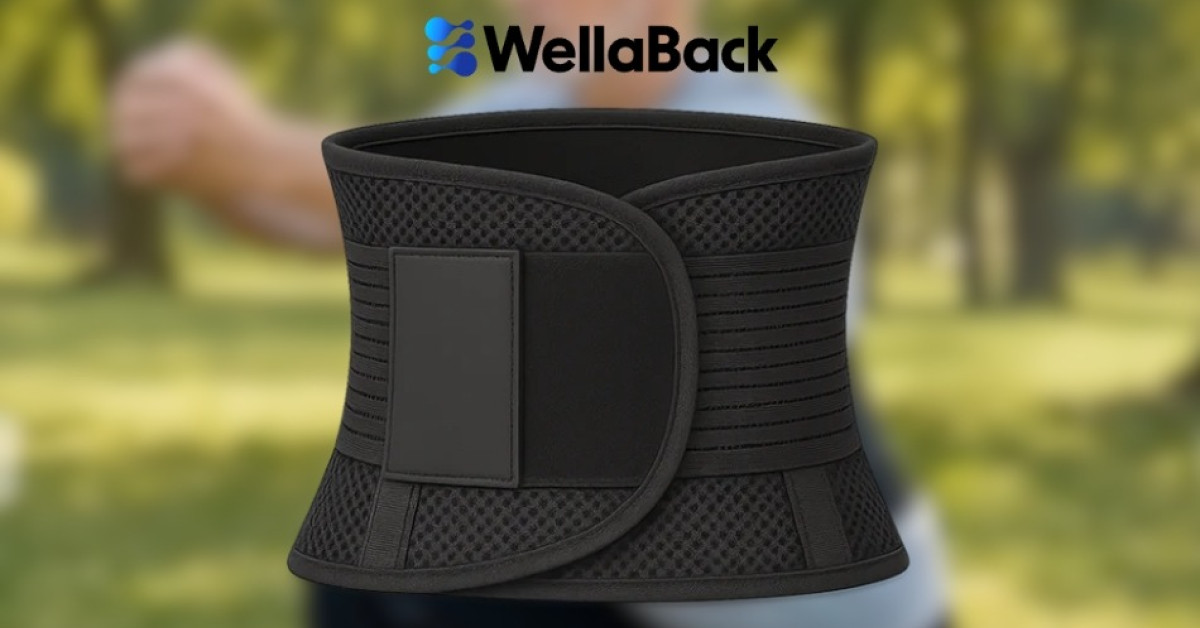
WellaBack Posture Corrector: Straighten Your Back, Relieve Neck & Shoulder Pain, Improve Posture!
The WellaBack Posture Corrector is designed to address this modern challenge—not as a quick fix, but as a long-term training tool that helps your body relearn proper alignment. This in-depth guide explores everything you need to know, from biomechanics and daily usage to long-term transformation and real-world application.
Posture is one of those silent factors that shapes your health, appearance, and overall quality of life—yet it’s often ignored until discomfort appears. In today’s digital-first world, where hours are spent sitting, scrolling, and working in fixed positions, poor posture has become almost universal.
💥MUST SEE: (EXCLUSIVE OFFER) CLICK HERE TO VIEW PRICING & AVAILABILITY💯
The Evolution of Poor Posture in Modern Life
A few decades ago, daily life naturally involved more movement—walking, standing, and physical tasks. Today, most routines revolve around:
- Desk jobs and prolonged sitting
- Smartphones and downward gaze
- Limited physical activity
- Poor ergonomic environments
These habits gradually reshape the body. The spine adapts to forward bending, shoulders roll inward, and the neck shifts ahead of the body. Over time, this becomes your “normal.”The challenge is that your body doesn’t correct itself automatically—it adapts to whatever position you maintain most often.
Understanding Posture at a Deeper Level
To fix posture, you need to understand it beyond surface-level advice.
The Spine’s Natural Alignment
Your spine is designed with gentle curves that:
- Distribute weight evenly
- Absorb shock
- Maintain balance
When posture is poor, these curves become exaggerated or flattened, leading to strain.
The Role of the Nervous System
Posture is not just muscular—it’s neurological. Your brain constantly monitors body position through sensory feedback. If you spend months or years in poor posture, your brain starts recognizing it as “normal.” That’s why simply telling yourself to “sit straight” doesn’t work for long.
💥MUST SEE: (EXCLUSIVE OFFER) CLICK HERE TO VIEW PRICING & AVAILABILITY💯
Where WellaBack Fits In
The WellaBack Posture Corrector acts as a bridge between awareness and action.
It does three important things:
- Alerts you when you slouch
- Encourages correction through gentle tension
- Reinforces proper alignment over time
Instead of forcing change, it teaches your body through repetition.
Who Should Consider It?
Best suited for:
- Desk workers
- Students
- Remote professionals
- People with mild discomfort
- Anyone aiming for better posture
Less suitable for:
- Severe spinal conditions (without medical advice)
Pros and Cons (Detailed View)
Advantages
- Simple and easy to use
- Affordable compared to therapy
- Encourages long-term habits
- Works in real-life environments
Limitations
- Requires consistency
- Not a standalone solution
- Needs patience for results
💥MUST SEE: (EXCLUSIVE OFFER) CLICK HERE TO VIEW PRICING & AVAILABILITY💯
The Bigger Picture: Lifestyle Change
The WellaBack Posture Corrector works best when combined with:
- Better ergonomics
- Regular movement
- Strength training
- Awareness of body positioning
It’s not just about wearing a device—it’s about changing how you use your body daily.
Final Conclusion
The WellaBack Posture Corrector represents a practical approach to a widespread modern problem. It doesn’t promise instant transformation—but it offers something more valuable: sustainable improvement through habit and awareness.
In a world where poor posture is increasingly unavoidable, tools like this provide a way to take control of your physical well-being.
Better posture isn’t just about standing straight—it’s about:
- Moving efficiently
- Feeling comfortable
- Presenting confidence
- Supporting long-term health
And sometimes, all it takes is a small, consistent reminder to start that transformation.